


Beyond the Bars: The Digital
Evolution of Federal Prisons
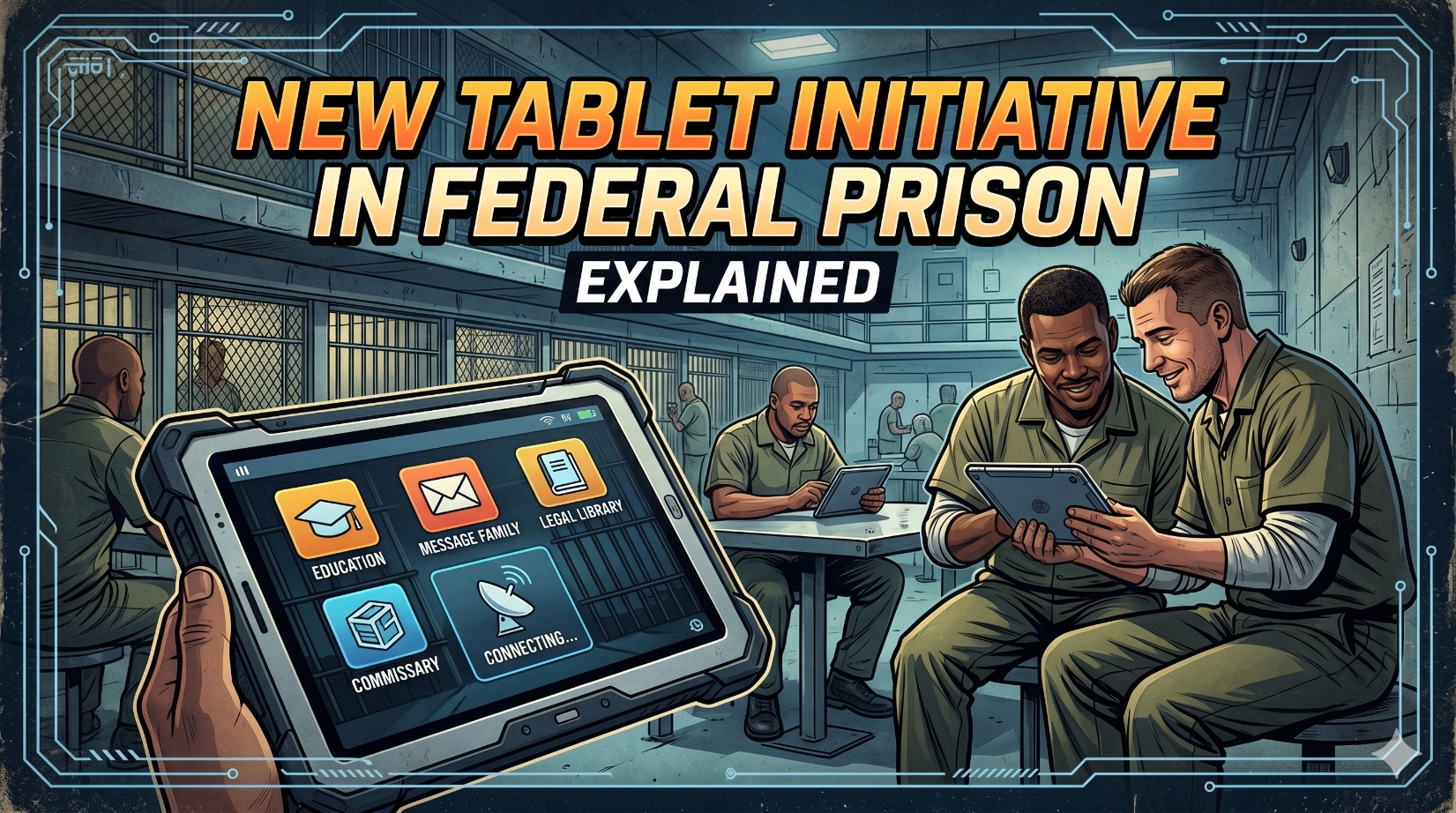
The Federal Bureau of Prisons (BOP) is currently embarking on a massive
technological overhaul that aims to put a specialized tablet into the hands of nearly
150,000 inmates across the United States. While tablets in prison are not entirely new,
this latest initiative represents a shift toward a comprehensive, standardized digital
ecosystem. These devices are not just luxury items; they are designed as multi-
functional tools intended to modernize the correctional environment, streamline facility
operations, and fundamentally change how incarcerated individuals interact with the
world behind the fence.
At the core of this initiative is the goal of rehabilitation through connectivity. By
providing inmates with consistent access to educational materials, vocational training,
and GED preparation software, the BOP hopes to better prepare individuals for their
eventual return to society. These tablets allow for self-paced learning, which can be far
more effective in a crowded prison environment than limited classroom space. When
an inmate can spend their “down time” learning a trade or studying for a degree, the
likelihood of successful reintegration increases, potentially lowering national recidivism
rates.
Beyond education, the tablets serve as a vital bridge to the outside world, maintaining
the “family bond” that is often severed by long distances and expensive travel. The
new bid emphasizes secure messaging, video visitation, and phone capabilities
integrated directly into the device. For an inmate, being able to send a quick message
to a child or see a spouse’s face via video call can be a significant stabilizer for mental
health. By making communication more accessible and frequent, the prison system
acknowledges that maintaining social ties is a key component of a stable correctional
environment.
From an operational standpoint, these tablets are expected to revolutionize
institutional efficiency. Traditionally, tasks like ordering from the commissary, filing a
grievance, or checking a trust fund balance required paper forms and manual
processing by staff. By moving these functions to a digital platform, the BOP can
reduce the administrative burden on correctional officers. This “self-service” model
allows inmates to manage their daily lives more independently, reducing friction
between staff and the population and allowing officers to focus on safety and security
rather than paperwork.
Security remains the paramount concern, and these devices are far from the
consumer tablets found in retail stores. They operate on a highly controlled, “closed-
loop” network that prevents unauthorized internet browsing and hacking. The BOP’s
requirements ensure that every communication is monitored and every app is vetted
for safety. This balance of technology and surveillance ensures that while inmates gain
modern tools, the facility does not compromise its primary mission of public safety. The
hardware itself is ruggedized and “hardened” to withstand the rigors of a prison setting,
ensuring the investment lasts for years.
Ultimately, the introduction of these tablets signals a move toward a more modern,
data-driven approach to corrections. By offering a mix of free rehabilitative content and
paid entertainment like music and movies, the program creates a “carrot and stick”
dynamic that encourages good behavior. As these devices become a standard part of
the federal prison experience, they represent a significant step toward bridging the
“digital divide” for those inside, ensuring that when they are finally released, they aren’t
stepping out into a world that has technologically passed them by.