

The United States Sentencing Commission Promulgates 2026 Amendments Leaving Ice and Career Offender Amendment Out In The Cold
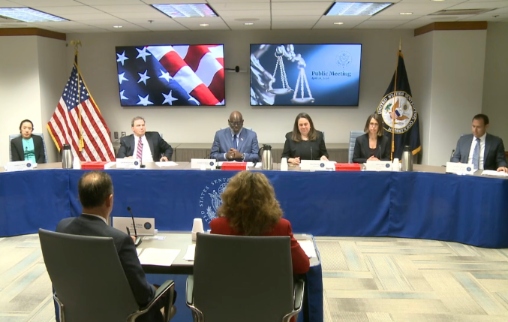
On April 16, 2026, the United States Sentencing Commission concluded its final public meeting for the current amendment cycle, moving forward with several key updates that will reshape federal sentencing. While the Commission successfully promulgated significant changes to economic crime guidelines and expanded sentencing options for low-level offenders, the results left many advocates disappointed. Two of the most heavily debated reforms—addressing methamphetamine disparities and the “Career Offender” program—were notably missing from the final list of adopted amendments.
The most substantial victory for reform is the overhaul of the Economic Crimes guidelines (§2B1.1). For years, the “loss table” has been criticized for being overly complex and driving sentences to extremes based on arbitrary dollar amounts. The Commission has officially collapsed the traditional 16-tier table into a streamlined 8-tier system. This simplification aims to reduce the “cliff” effects where a small increase in dollar amount could lead to years of additional prison time. Additionally, the Commission introduced new mitigating factors for defendants who acted under extreme pressure, providing judges more room for leniency in specific fraud cases.
Another major shift comes in the form of expanded Sentencing Options. By broadening the reach of Zones B and C on the Sentencing Table, the Commission has effectively increased the number of defendants who are eligible for “alternatives to incarceration.” This means that more individuals in lower criminal history categories will now qualify for home detention, community confinement, or “split sentences” rather than straight prison time. The change reflects a growing consensus that short-term incarceration often does more harm than good for low-risk individuals.
In a move toward stricter enforcement in other areas, the Commission also promulgated amendments regarding Human Smuggling (§2L1.1). The new rules introduce a more granular tier system for enhancements based on the number of individuals involved and add specific penalties for smuggling methods that involve hazardous conditions, such as hidden vehicle compartments or dangerous maritime vessels. These changes are designed to reflect the increasing danger associated with transnational smuggling operations.
However, the meeting was equally defined by what was not done. Despite years of data showing that the methamphetamine purity disparity—which punishes pure “actual” meth 10 times more harshly than mixtures—creates massive racial and geographic sentencing gaps, the Commission declined to act. The proposal reached a deadlock over how to equalize the penalties without inadvertently raising sentences for other drug types. For now, the “actual vs. mixture” distinction remains a fixture of the federal drug guidelines.
The Commission also punted on the Career Offender “state predicate” issue. This amendment would have addressed the “categorical approach,” a legal doctrine that often leads to defendants being branded as Career Offenders based on state-level drug priors that may not align with federal definitions. The Commission indicated that while the issue is a priority, the legal complexities and a lack of a unified path forward necessitated “further study.” This delay means thousands of defendants will continue to face massive sentencing enhancements under a system many judges have called “broken.”
Looking ahead, these promulgated amendments will be submitted to Congress by May 1. Barring any rare legislative intervention, they will officially take effect on November 1, 2026. As for the failed amendments, they aren’t gone forever; they will likely be the primary focus of the 2027 cycle. But for those currently caught in the gears of the federal system, the wait for true “Career Offender” and drug purity reform continues for at least another year.