

Category: Tips
-

Know What You’re Getting Into This is for those who are sitting at home on pretrial or waiting to self report, thereby meaning you’ve received some sort of bond. Those who might be watching this from inside federal prison have probably already learned these facts via conversations with other inmates, or simply by observing daily…
-

Prison Yard Politics Are No Joke Our receptionists get calls from loved ones all the time who worry about what their loved one needs to do once they hit a federal prison yard. Who should they run with? Where should they spend their time? Where should they eat? What are the do’s and don’ts in…
-

How Does The Second Chance Act Work? Let’s take a 360 month sentence, for example. Let’s also say this person does not qualify for benefits via the First Step Act (FSA). In most cases, you will still qualify for benefits from the SCA, even if you don’t qualify for the FSA. The SCA was passed…
-

When It Comes To Court, Nothing Is Certain Whether you’re in prison or facing federal prison, there’s a number of reasons why anyone who does legal work can’t provide any kind of guarantee. Oftentimes people forget, especially inmates or defendants, that judges are just people, too. If something bad happens that day, if they wake…
-

The Short Answer, Yes If you’re waiting to self report to federal prison and expect to owe restitution, this is important. Yes, the BOP can take money from your trust fund account, also known as your commissary account, for restitution and court costs, even if you’re not working a job in federal prison. In fact,…
-

Programming Statement Myth: Am I Entitled To Hot Meals? Programming statements are essentially the bylaws which state how the prison system is supposed to work. In this post, we’re going to focus on some things that inmates have been led to believe are in programming statements, but in fact, are not. The first is that…
-

Juries, Not Judges, Decide if Administrative Remedies Have Been Exhausted The PLRA, or the Prison Litigation Reform Act of 1996, was designed to prevent frivolous lawsuits from prisoners in state and federal prison from clogging up the courts. The PLRA is what requires inmates to file grievances, and attempt to resolve them within the BOP…
-

The BOP Was Hacked, Sensitive Data Was Leaked. Are We Surprised? News outlets are reporting that the Federal Bureau of Prisons, the agency within the U.S. Department of Justice (DOJ) that runs all 121 active federal prisons, has experienced a major data breach. According to Cybersecurity News and other reports, this data breach includes both…
-

How Do You Teach a Class or Get Other Jobs in Federal Prison? When Kyle Sandler, founder of Federal Prison Tips was incarcerated at the federal prison camp in Montgomery, he taught business classes, public speaking classes, and other ACE classes. ACE stands for Adult Continuing Education, and is how most formal classes are categorized.…
-

Mind Your P’s and Q’s Federal Prison Tips is the largest influencer network in the federal prison space on social media, bar none. We have 5 million views every month between Instagram and Tiktok. Whether you’re an inmate in federal prison or a staff member at a federal prison, please read this article carefully. Why?…
-

The “30 Day Rule” For Compassionate Release Explained When trying to file a compassionate release motion as a defendant and as an inmate in federal prison, there’s a “30 day rule” that must be abided by before moving forward. The First Step Act of 2018 modified the compassionate release statute, 18 U.S.C. 3582(c)(1)(A) by allowing…
-

Life in the Segregated Housing Unit The SHU, short for “Segregated Housing Unit,” is where you go for a number of reasons, including disciplinary segregation, administrative segregation, quarantine, and sometimes, when you’re new to the compound. The most common reason a federal inmate might find themselves in the SHU is for disciplinary reasons. This can…
-

Don’t Let Them Pull a Fast One on You There are a few things you should look out for when reviewing your plea before you file a motion for a change of plea in federal court to minimize your time in federal prison. While plea mitigation is one of the services in all three consulting…
-

Putting Together Your Appeal For Reduction of Sentence If you’re facing federal prison time and approaching the sentencing phase, filing a motion for sentence reduction, or working on a clemency packet, what should you include in letters to the judge? Or, alternatively, the President of the United States, or Pardon Czar Alice Marie Johnson, or…
-

Many think a medical marijuana card is enough to excuse marijuana use during supervised release. There’s more to the story – just because you’re on the outside, you aren’t free from the system and its consequences. Medical Marijuana and Supervised Release Although marijuana is recreationally legal in several states and medically legal in even more,…
-

White Collar’s “Drug Conspiracy” Over 50,000 inmates in Federal Prison are there because of a “drug conspiracy”. Many of those inmates in Federal Prison don’t know their co-defendants, may have never actually been caught with drugs, money or guns or sold to a confidential informant. They made it into federal prison on the sworn testimony…
-

Humility Is One Of The Hardest Things For Many White Collar Offenders There are thousands of white collar offenders awaiting trial, sentencing and self report. Many of those offenders will be going to minimum security camps and low security prisons. But even in those spots, humility can be the toughest lesson for these kinds of…
-
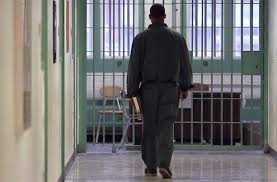
The PSR Is The Bible For Court and The BOP One of the most important things someone facing Federal Prison will do is the “pre sentence investigation” interview. That interview will occur after plea or trial, and will allow for 72 days for the United States Probation Officer who does the interview, to compile the…
-

When inmates arrive at a Federal Bureau of Prisons facility they are expected to maintain complete respect for staff at all times. This of course makes sense because, after all we are federal inmates and part of the rehabilitation process is to learn to respect authority. The Masked Law Student is a content creator in…
-

The tiktok above is the first in a series of things you should do before self surrendering to federal prison. The series kicks off with “Digital” things you should do before you self surrender to Federal Prison. You may not have thought about these things before, but they are important. G-MailIf you’re one of the…